In the realm of waste management and energy production, the thermal desorption unit (TDU) stands at the forefront of technological innovation. As the demand for sustainable energy solutions intensifies, TDUs are playing a pivotal role in transforming waste materials, particularly oil sludge, into valuable resources. This transformation is a critical step toward improving waste-to-energy processes and addressing environmental concerns.
The Rise of the Thermal Desorption Unit
A thermal desorption unit is a highly effective method for treating contaminated materials, especially oil sludge. It operates by applying heat to break down contaminants, extracting hydrocarbons and other pollutants in a controlled environment. This technology is crucial in industries where oil-based mud, waste oils, and sludge accumulation pose significant challenges. Unlike traditional disposal methods, TDUs ensure the efficient extraction of usable oil and the recovery of energy, thus minimizing environmental impact.
With the growing environmental pressures and the need for sustainable energy solutions, TDUs have emerged as a key player in waste-to-energy strategies. They offer a cleaner, more efficient alternative to conventional incineration and landfilling processes. By utilizing advanced heating technologies and continuous pyrolysis equipment, TDUs are now capable of handling larger volumes of waste, making them more viable for industrial-scale applications.
Integration with Oil Sludge Pyrolysis Plant
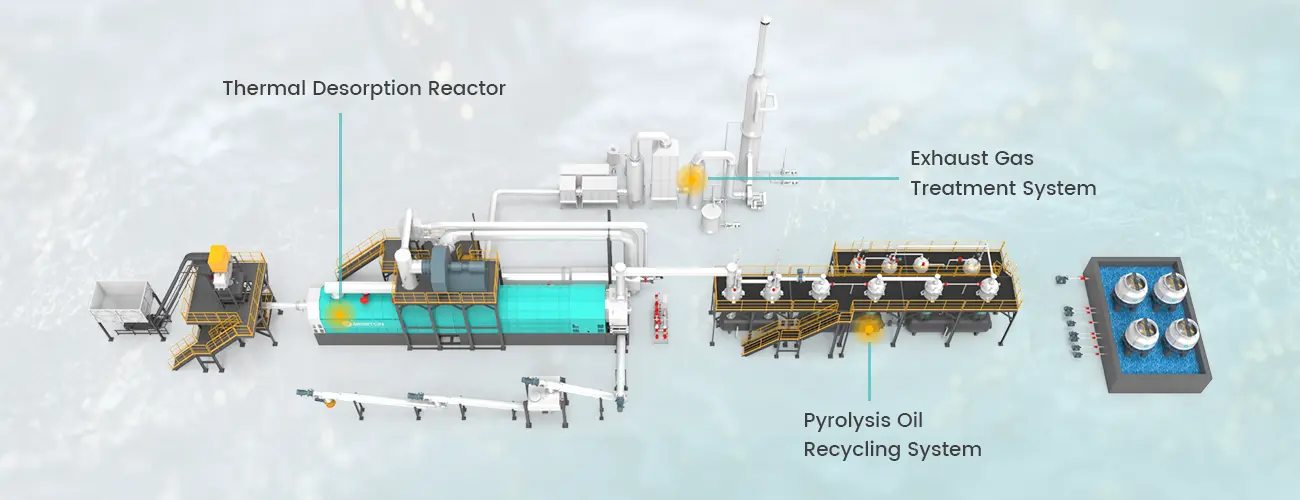
One of the most notable advancements in the field is the integration of thermal desorption units with oil sludge pyrolysis plant. The combination of these two technologies significantly enhances the waste-to-energy process. In an oil sludge pyrolysis plant, organic waste materials, including oil sludge, are subjected to high temperatures in the absence of oxygen, resulting in the production of biofuels, gas, and biochar. By using a TDU before the pyrolysis stage, operators can effectively remove contaminants and moisture from the waste, ensuring a more efficient pyrolysis process.
The synergy between the TDU and pyrolysis plant not only boosts the efficiency of the waste conversion process but also improves the overall quality of the by-products. The extracted oil can be refined and used as a renewable energy source, while the residual solids are turned into valuable carbon products like biochar. This closed-loop system reduces the environmental footprint of waste disposal and offers a sustainable approach to managing hazardous materials.
Continuous Innovation in Beston Pyrolysis Plant
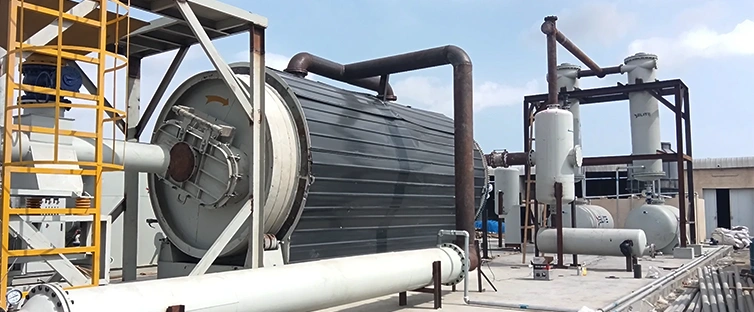
As global demand for renewable energy solutions increases, companies like Beston are pioneering advancements in pyrolysis technology. The Beston pyrolysis plant, for instance, incorporates cutting-edge features that enhance its operational efficiency. By utilizing continuous pyrolysis equipment, the plant can process large quantities of waste material in a continuous flow, significantly reducing downtime and increasing throughput.
Beston’s continuous pyrolysis equipment ensures that the conversion process remains uninterrupted, which is particularly valuable in industries that generate vast amounts of waste. The integration of advanced automation systems allows for precise control over temperature, pressure, and residence time, further optimizing the efficiency of the TDU and pyrolysis stages. This continuous approach is not only more energy-efficient but also reduces operational costs, making it a compelling option for large-scale waste-to-energy facilities.
The Future of Waste-to-Energy
Looking ahead, the future of waste-to-energy will be defined by increasingly sophisticated technologies like thermal desorption units. As innovation in thermal treatment and pyrolysis processes continues, these systems will become more energy-efficient, cost-effective, and environmentally friendly. The incorporation of TDUs and continuous pyrolysis equipment into waste management systems will play a crucial role in addressing global waste disposal challenges while contributing to the generation of clean, renewable energy.
In conclusion, the advancements in thermal desorption technology and its integration with pyrolysis plants represent a significant leap forward in the field of waste-to-energy. As industries continue to prioritize sustainability, these innovations will be central to reducing waste, recovering valuable resources, and supporting a cleaner, more energy-efficient future.